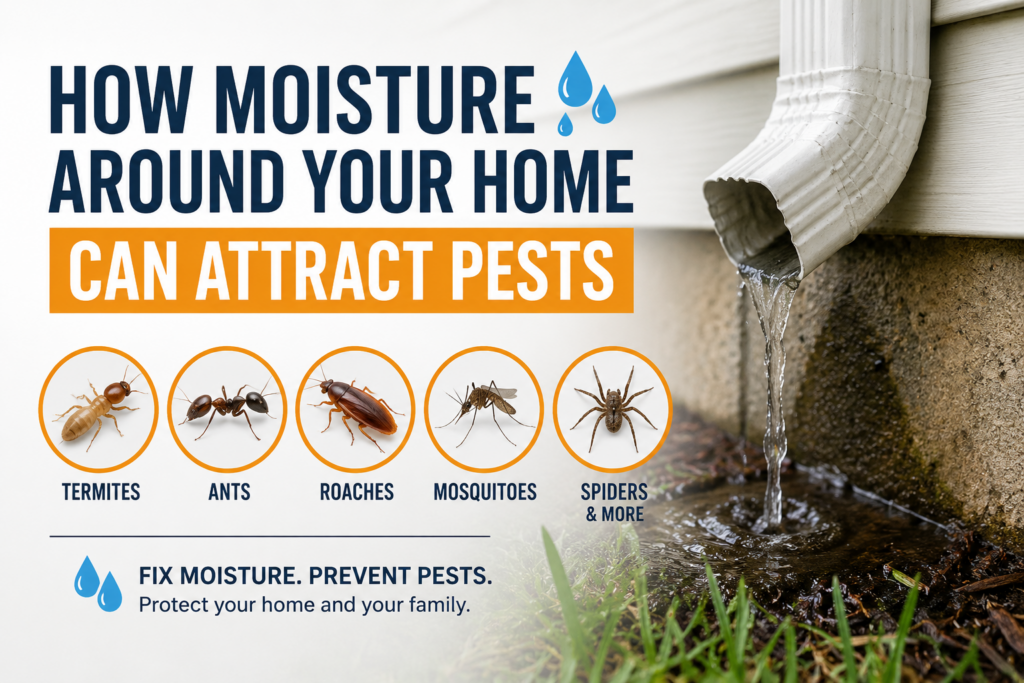
Moisture may not seem like a major problem at first. A damp crawl space, clogged gutter, small leak, puddle near the foundation, or shaded area that never fully dries may feel easy to ignore.
Unfortunately, pests notice moisture long before many homeowners do.
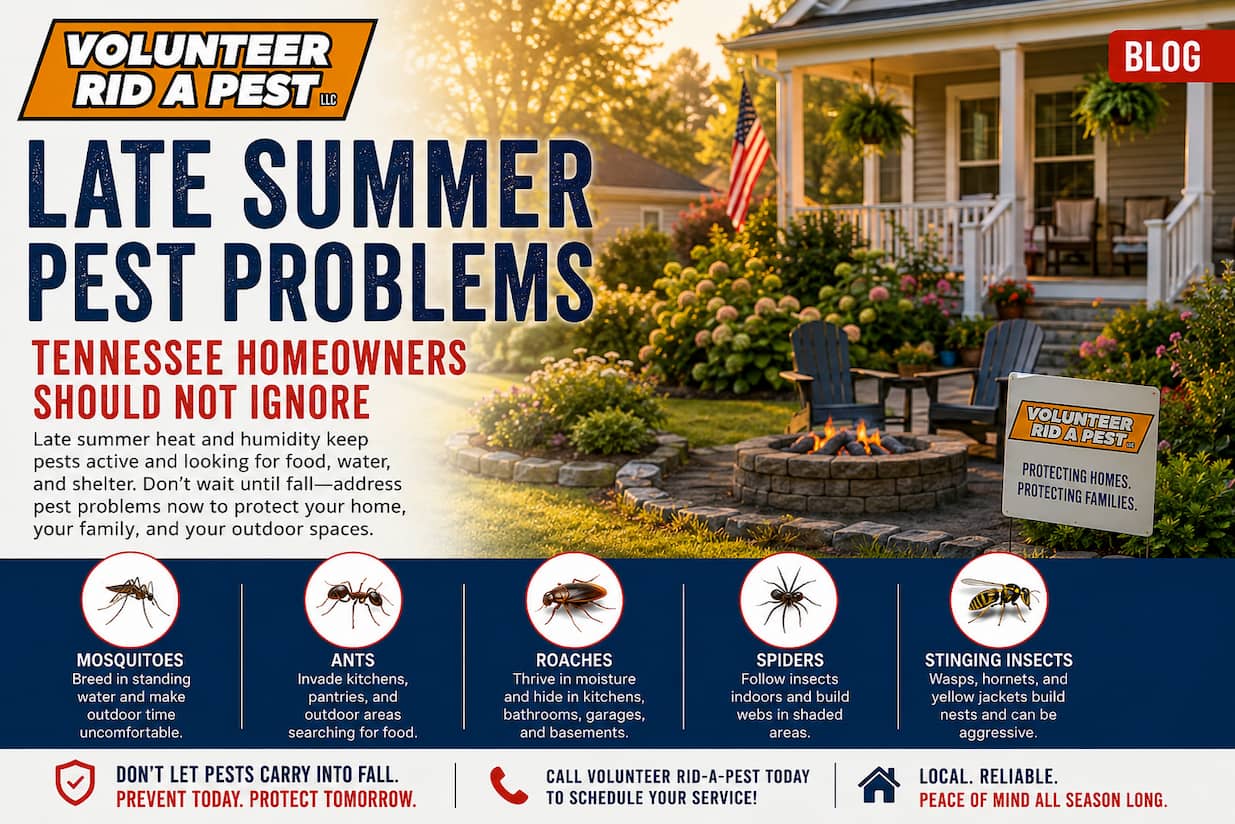
Water is one of the main things pests need to survive. When moisture builds up around your home, it can create the perfect environment for termites, ants, roaches, mosquitoes, and other pests to move closer, settle in, and eventually find their way inside.
For Tennessee homeowners, managing moisture is an important part of protecting their homes from pest problems year-round.
Why Moisture Attracts Pests
Pests are always searching for three things: food, water, and shelter. Moisture around your home can provide two of those right away. Damp spaces give pests the water they need and often create protected hiding areas where they can live, breed, or build nests.
Moisture problems can come from:
- Clogged gutters
- Poor drainage
- Leaky outdoor faucets
- Plumbing leaks
- Standing water
- Damp crawl spaces
- Overwatered landscaping
- Mulch is placed too close to the foundation
- Low spots in the yard
- Condensation around pipes
- Roof leaks
- Cracks near the foundation
Even a small moisture issue can become a pest concern if it continues over time.
Termites and Moisture
Termites are one of the biggest concerns when moisture is present around a home. Many termite problems begin in areas where wood, soil, and moisture come together.
Termites are often drawn to damp wood, crawl spaces, foundation edges, porch supports, decks, and areas where water does not drain properly. When moisture softens wood or keeps soil damp near the home, it can make the area more attractive to termite activity.
Common termite risk areas include:
- Damp crawl spaces
- Wood touching the ground
- Leaking pipes
- Wet foundation areas
- Poor drainage near the home
- Mulch piled against the siding
- Firewood stored too close to the house
- Deck posts or porch supports in contact with soil
Because termites often work quietly and out of sight, moisture problems should never be ignored. A professional termite inspection can help identify warning signs before damage becomes more serious.
Ants and Moisture
Ants may enter homes in search of water, especially during hot or dry periods. Kitchens, bathrooms, laundry rooms, basements, and areas around plumbing are common places to find ant activity.
Outside, ants may build colonies near damp soil, mulch beds, patios, sidewalks, and foundation areas. If moisture is present near an entry point, ants may find their way indoors more easily.
Signs moisture may be attracting ants include:
- Ants near sinks or tubs
- Ant trails around windows or doors
- Ant activity near pet bowls
- Ants around damp mulch or landscaping
- Colonies near foundation cracks
- Ants are returning even after cleaning
While keeping surfaces clean helps, recurring ant activity may indicate a nesting site or a moisture source nearby.
Roaches and Damp Areas
Roaches are strongly attracted to moisture. They often hide in dark, damp areas where they can find food, water, and shelter.
In homes, roaches are commonly found near sinks, drains, cabinets, bathrooms, laundry areas, crawl spaces, basements, and garages. A small leak under a sink or moisture around plumbing can help support roach activity.
Roaches may be attracted to:
- Leaky pipes
- Damp cabinets
- Drains
- Wet crawl spaces
- Laundry rooms
- Bathroom moisture
- Food crumbs and grease
- Open trash
- Cluttered storage areas
Because roaches hide well and reproduce quickly, moisture control is an important part of prevention. Fixing leaks and reducing damp areas can make your home less inviting.
Mosquitoes and Standing Water
Mosquitoes are among the most obvious pests associated with moisture. They need standing water to breed, and even a small amount of water can create a problem.
Mosquito breeding areas may include:
- Birdbaths
- Buckets
- Flowerpot saucers
- Clogged gutters
- Pet bowls
- Children’s toys
- Tarps
- Wheelbarrows
- Low spots in the yard
- Outdoor furniture covers
- Drainage areas
After rain, it is a good idea to walk around the yard and empty anything holding water. Mosquitoes can quickly turn a comfortable outdoor space into an unpleasant one, especially during warm Tennessee months.
Other Pests That Like Moisture
Termites, ants, roaches, and mosquitoes are not the only pests drawn to damp conditions. Moisture can also attract or support other pest problems around the home.
These may include:
- Earwigs
- Silverfish
- Centipedes
- Millipedes
- Spiders
- Flies
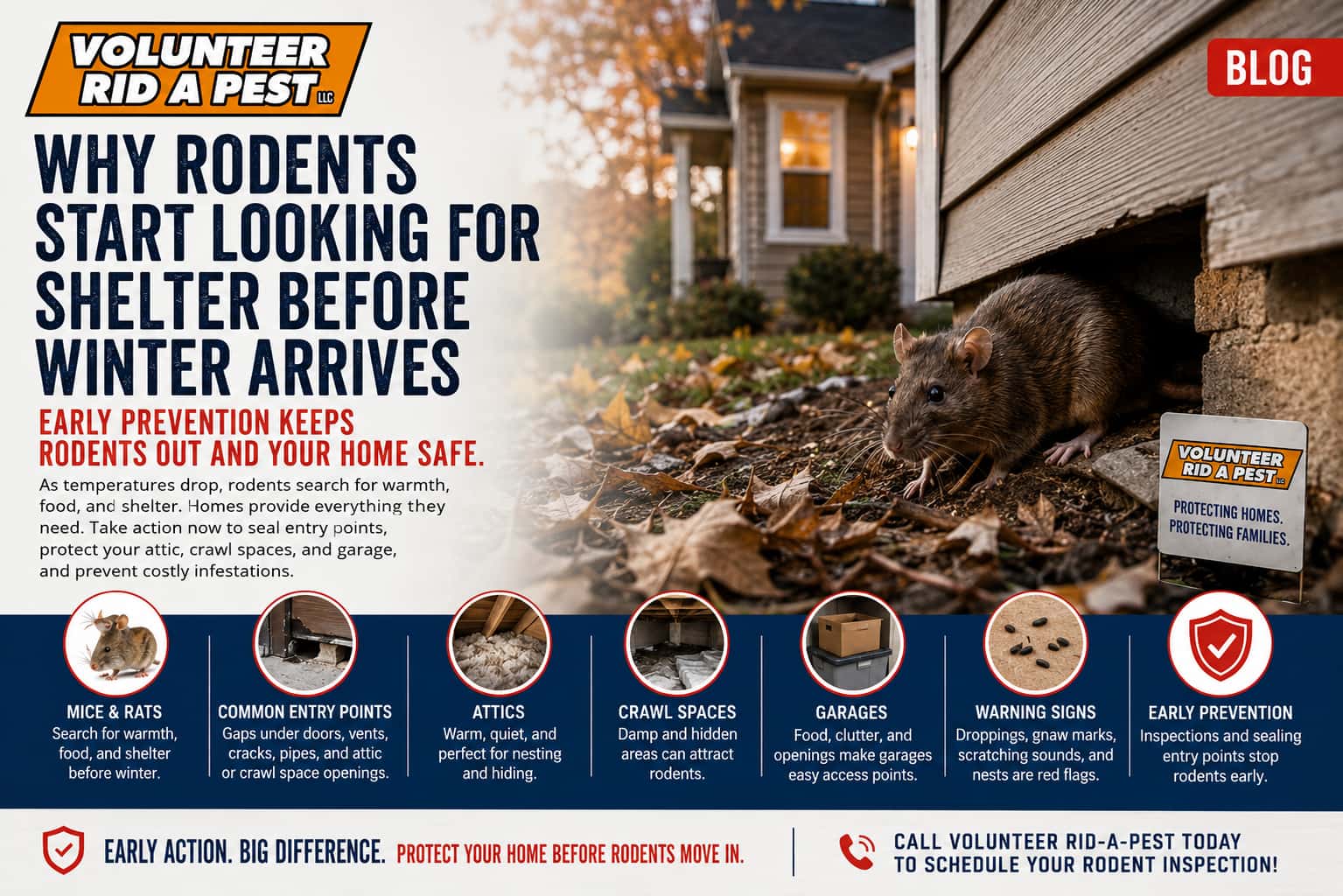
- Rodents searching for water
- Stinging insects near damp outdoor areas
When moisture attracts smaller insects, it can also attract spiders and other pests that feed on them. One moisture issue can create a chain reaction of pest activity.
Common Moisture Problem Areas Around the Home
Many pest problems start in places homeowners do not check often. A quick inspection around the property can help identify areas that need attention.
Check these areas regularly:
- Gutters and downspouts
- Crawl space entrances
- Basement walls
- Outdoor faucets
- Under sinks
- Around toilets and tubs
- Around water heaters
- Foundation edges
- Mulch beds
- Decks and porches
- Yard drainage areas
- Garage corners
- Around air conditioning units
- Low areas in the lawn
If an area stays damp, smells musty, or attracts insects, it should be addressed.
How Homeowners Can Reduce Moisture and Pest Activity
Moisture control does not have to be complicated. Small maintenance steps can make a big difference in reducing pest-friendly conditions.
Helpful steps include:
- Clean gutters regularly.
- Make sure downspouts direct water away from the foundation.
- Repair leaky faucets and pipes.
- Remove standing water after rain.
- Keep mulch pulled back from siding and foundation areas.
- Avoid overwatering landscaping.
- Improve drainage in low areas of the yard.
- Keep crawl spaces dry and properly ventilated.
- Store firewood away from the home.
- Seal cracks and gaps around the foundation.
- Trim shrubs and plants away from exterior walls.
- Check under sinks and around plumbing often.
These steps help reduce the moisture pests depend on and make your home less inviting.
Why Professional Pest Control Helps
Moisture problems and pest activity are often connected, but the source is not always easy to find. A professional pest control technician can inspect your home, identify pest-prone areas, and point out conditions that may be attracting pests.
Professional service can help with:
- Identifying active pest problems
- Finding entry points
- Checking moisture-prone areas
- Treating pest activity at the source
- Recommending prevention steps
- Protecting the inside and outside of the home
- Creating a recurring pest control plan
At Volunteer Rid-A-Pest, we understand how Tennessee’s weather, humidity, and moisture can affect local pest activity. Our team helps homeowners protect their homes from the conditions that allow pests to thrive.
Do Not Ignore Moisture Around Your Home
Moisture may seem small, but it can lead to bigger pest problems when left unaddressed. Termites, ants, roaches, mosquitoes, and other pests are all more likely to become active when water and shelter are available.
By fixing leaks, improving drainage, removing standing water, and scheduling professional pest control, you can help protect your home from hidden pest concerns.
Volunteer Rid-A-Pest is here to help Tennessee homeowners stay ahead of pest problems with reliable inspections, treatments, and prevention-focused service.
Contact Volunteer Rid-A-Pest today to schedule pest control service and help protect your home from moisture-related pest problems.