When temperatures drop, many homeowners assume pest problems slow down or disappear. It is easy to think that bugs, rodents, and other pests are only a warm-weather issue. However, winter can actually push many pests closer to homes as they search for warmth, shelter, food, and moisture.
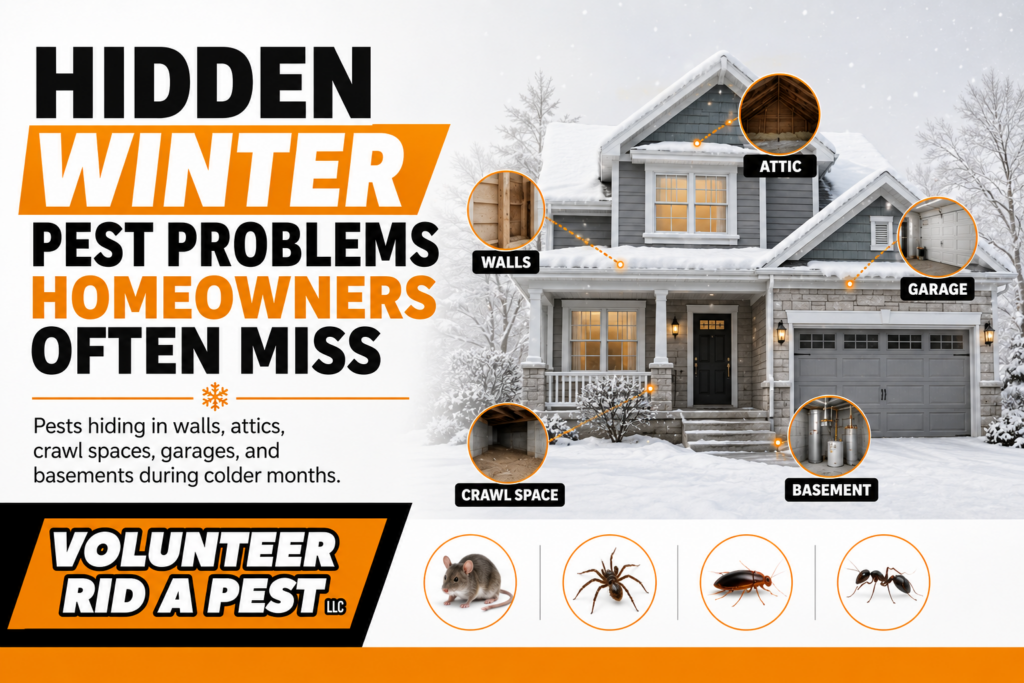
The tricky part is that winter pest problems are not always easy to see right away. Pests may hide in walls, attics, crawl spaces, garages, basements, and storage areas where they can stay protected from the cold. By the time homeowners notice droppings, scratching sounds, damage, or insects inside the home, the problem may already be established.
For Tennessee homeowners, winter pest control is an important part of year-round home protection.
Why Pests Move Indoors During Winter
Cold weather changes pest behavior. As outdoor food sources become scarce and temperatures become uncomfortable, pests begin seeking protected places to survive.
Homes can offer everything pests need, including:
- Warmth
- Shelter
- Food crumbs
- Pet food
- Water sources
- Cluttered storage areas
- Hidden nesting spaces
- Gaps around doors, windows, vents, and foundations
Even small openings can allow pests to enter. Once inside, they may stay hidden for weeks or months.
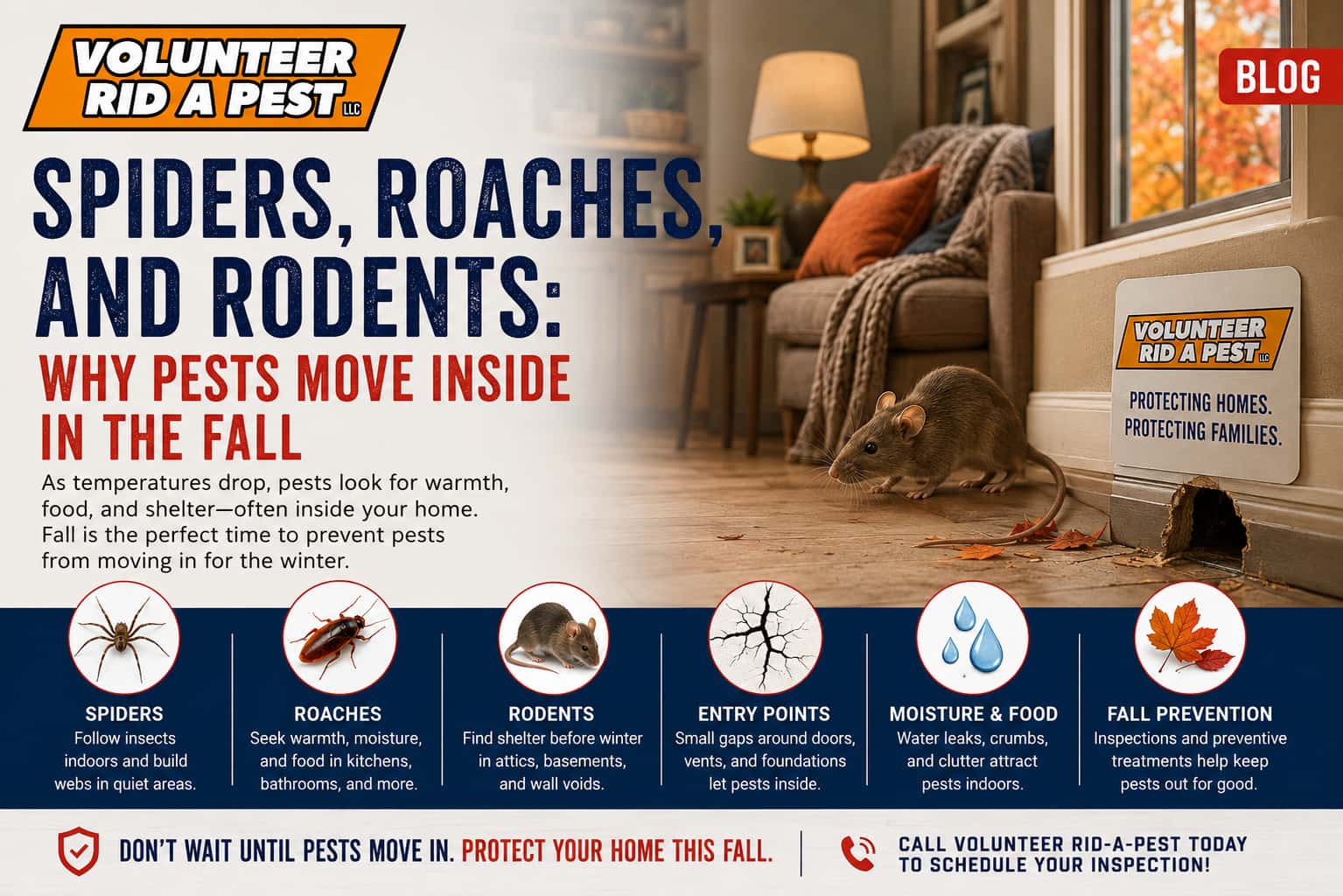
Rodents in Attics, Walls, and Garages
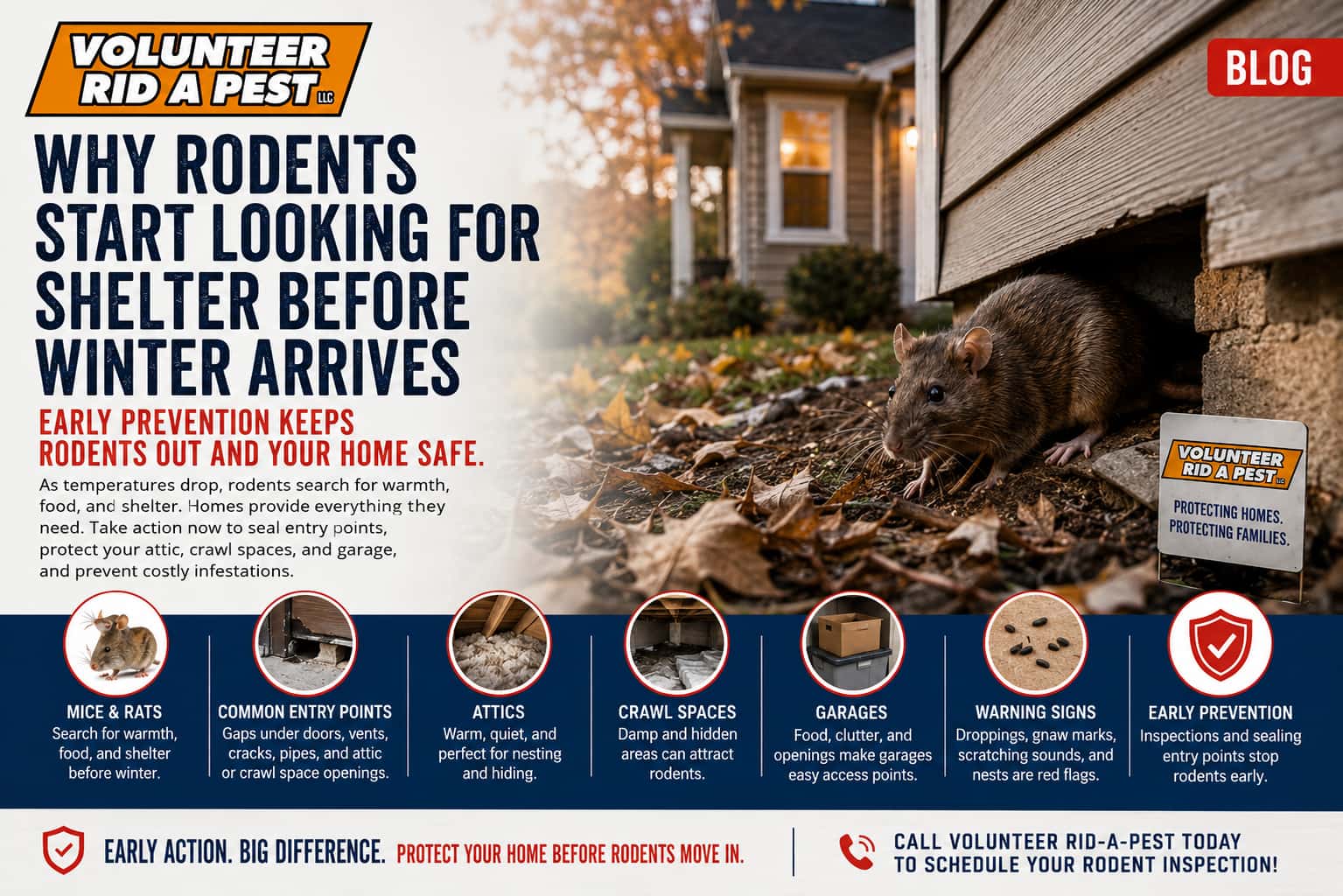
Rodents are among the most common winter pests. Mice and rats can squeeze through small gaps around the home and often settle in attics, wall voids, crawl spaces, garages, and basements.
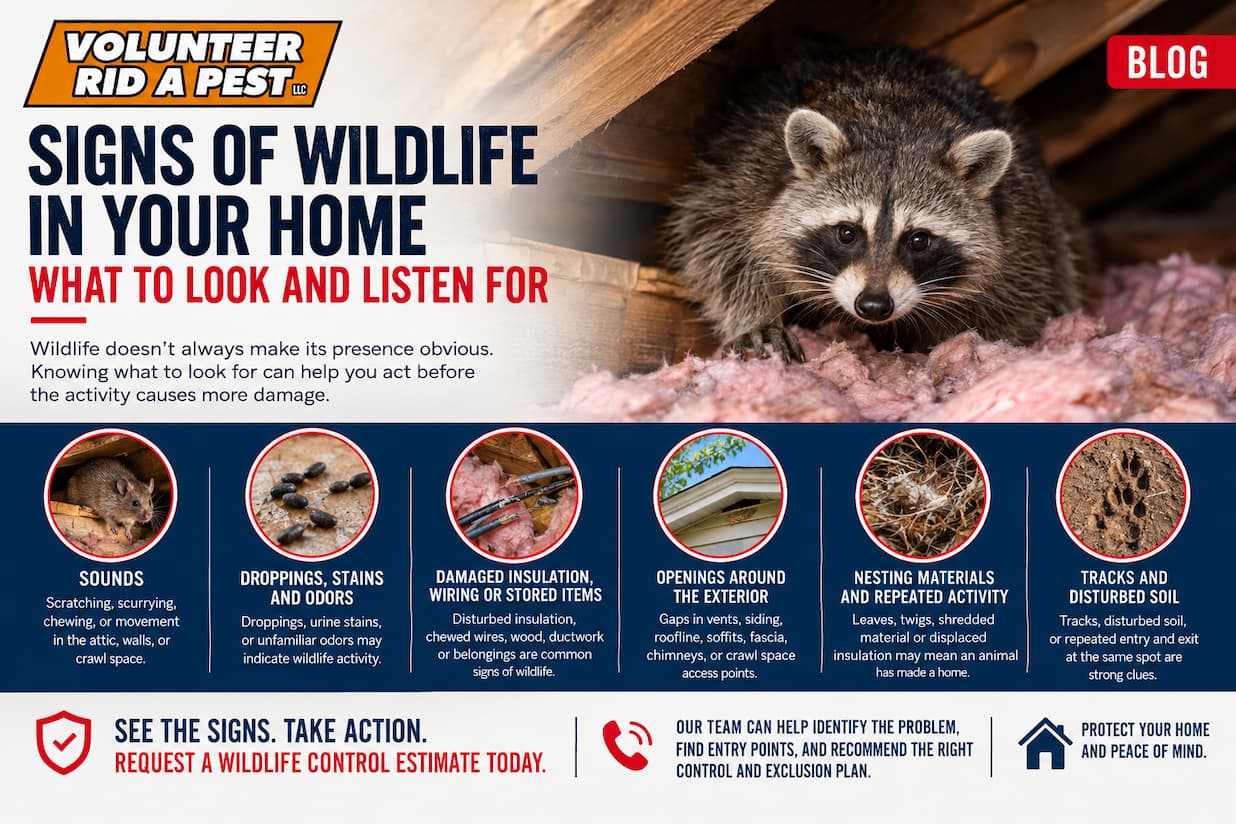
Signs of rodent activity may include:
- Scratching or scurrying sounds
- Droppings
- Chewed wires, insulation, or boxes
- Nesting materials
- Grease marks along the walls
- Pet food bags with holes
- Unusual smells in enclosed areas
Rodents should not be ignored. They can cause damage, contaminate stored items, and continue reproducing if the problem is not addressed.
Spiders in Basements and Storage Areas
Spiders may become more noticeable indoors during the winter, especially in quiet areas like basements, garages, sheds, closets, and storage rooms. They often follow other insects that have also moved inside.
While many spiders stay hidden, webs in corners, around windows, near boxes, or along garage walls can be a sign of ongoing activity.
Reducing clutter, removing webs, sealing gaps, and scheduling routine pest control can help reduce spider activity during the colder months.
Roaches in Kitchens, Bathrooms, and Utility Areas
Roaches are drawn to warmth, moisture, and food, which makes kitchens, bathrooms, laundry rooms, and utility areas common problem spots during winter.
They may hide behind appliances, under sinks, near drains, around pipes, inside cabinets, or in cracks and crevices. Because roaches are good at hiding, seeing one may mean more are nearby.
Homeowners can help reduce roach activity by keeping food sealed, cleaning up crumbs and grease, repairing leaks, and taking out trash regularly. Professional treatment is important when roaches persist.
Pests in Crawl Spaces
Crawl spaces are easy to overlook, but they can become a major hiding place for winter pests. These areas often provide shelter, moisture, insulation, and access points into the home.
Common crawl space concerns include:
- Rodents
- Roaches
- Spiders
- Ants
- Termite conditions
- Moisture-loving pests
If a crawl space is damp, poorly sealed, or cluttered, pests may find it especially inviting. Regular inspections can help identify issues before they spread into the home’s living areas.
Insects Hiding in Walls and Voids
Some pests hide inside walls, cracks, and voids during the winter. Homeowners may not notice them until warmer days trigger activity indoors.
This can include occasional invaders such as ants, spiders, and other insects seeking protected spaces. If pests are hiding behind walls or around structural gaps, surface-level sprays may not solve the issue.
Professional pest control can help identify where pests are entering and target the areas where they are likely hiding.
Winter Pest Prevention Tips for Homeowners
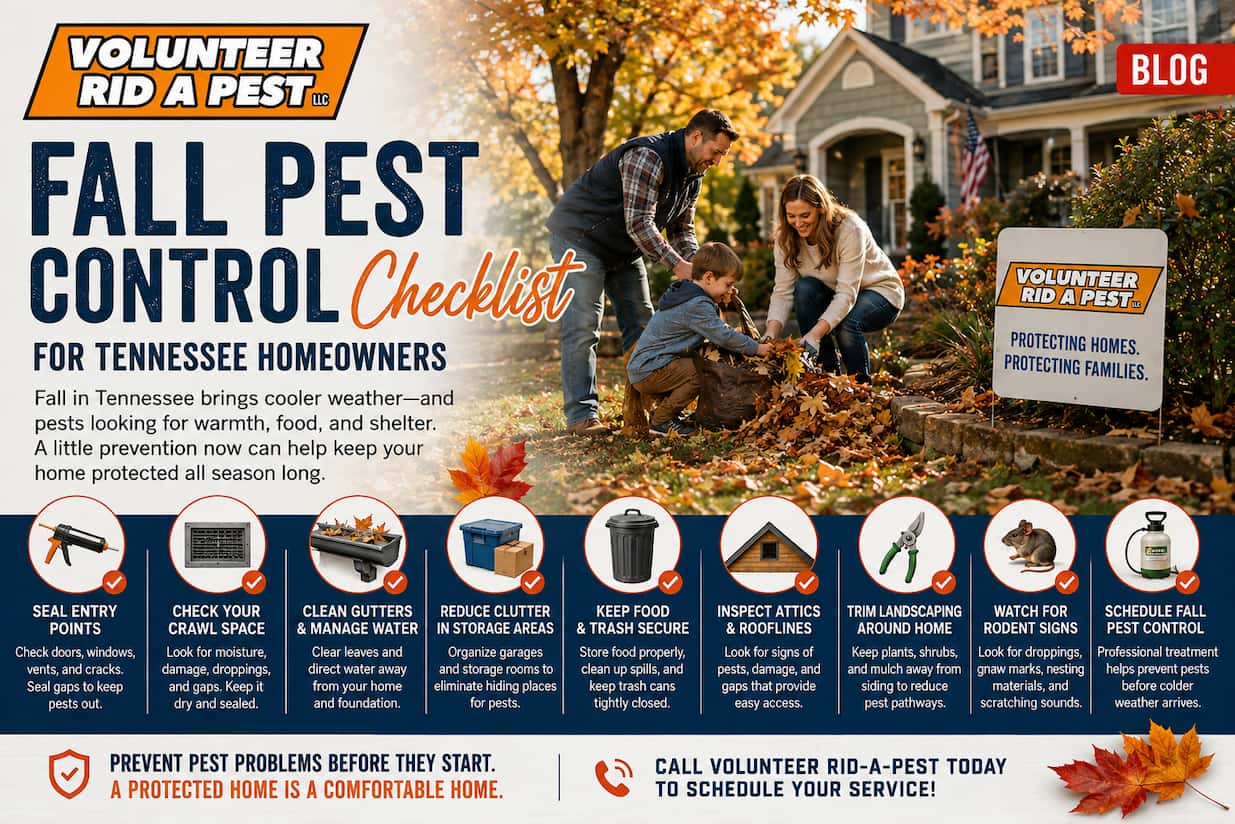
A few simple maintenance steps can help reduce the chance of winter pest problems.
Homeowners should:
- Seal gaps around doors, windows, vents, and foundations.
- Store food in sealed containers.
- Keep pet food sealed and off the floor.
- Take trash out regularly.
- Reduce clutter in garages, basements, and storage areas.
- Check attic and crawl space access points.
- Repair leaks and moisture problems.
- Keep firewood stored away from the home.
- Inspect boxes, bags, and decorations before bringing them inside.
- Schedule professional pest control service for year-round protection.
These steps help remove the food, water, shelter, and access points pests need.
Why Winter Pest Control Matters
Winter pest problems can be easy to miss because many pests stay hidden. However, hidden activity can still cause damage, contamination, and larger infestations over time.
A professional pest control inspection can help identify signs of pests in areas homeowners may not check often, including attics, crawl spaces, garages, basements, entry points, and foundation areas.
Regular pest control also helps reduce pest pressure before spring arrives, when many pests become more active again.
Protect Your Home This Winter
Just because pests are less visible in winter does not mean they are gone. Rodents, roaches, spiders, ants, and other pests may be hiding in the quiet areas of your home, waiting out the cold.
Volunteer Rid-A-Pest helps Tennessee homeowners protect their homes through every season with reliable pest control services designed for local pest problems.
Do not wait until hidden pests become a bigger issue. Contact Volunteer Rid-A-Pest today to schedule winter pest control service and keep your home protected year-round.