When pests show up in your home, it is natural to want a quick solution. A few ants on the counter, a roach in the bathroom, spiders in the garage, or bugs around the foundation can make any homeowner reach for a store-bought spray.
DIY pest control may seem convenient at first. You can buy a spray, set a trap, or use a store-bought product and feel like you are doing something right away. Sometimes, it may even reduce what you see for a short time.
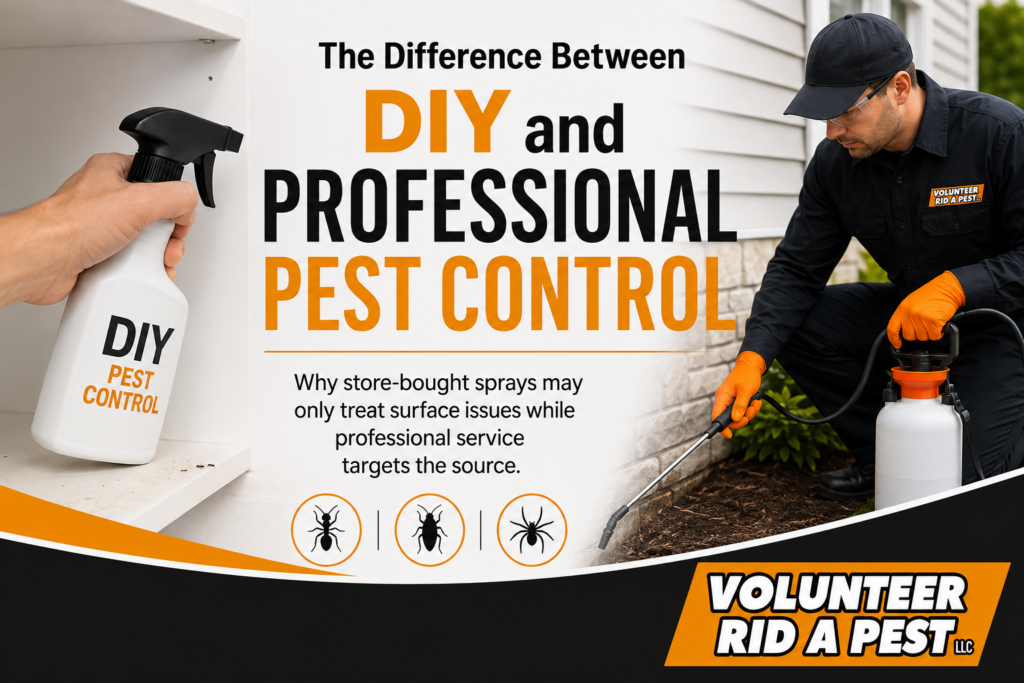
The problem is that many DIY pest control products only treat the pests on the surface. They may kill the insects you can see, but they often do not address where the pests are coming from, how they are getting inside, or why they keep returning.
For Tennessee homeowners, professional pest control offers a more complete approach. It focuses on identifying the source, treating problem areas, and helping prevent future infestations.
Why DIY Pest Control Is So Common
Many homeowners try DIY pest control first because it feels simple and affordable. Store-bought sprays, baits, traps, and foggers are easy to find and can seem like a fast answer when pests appear.
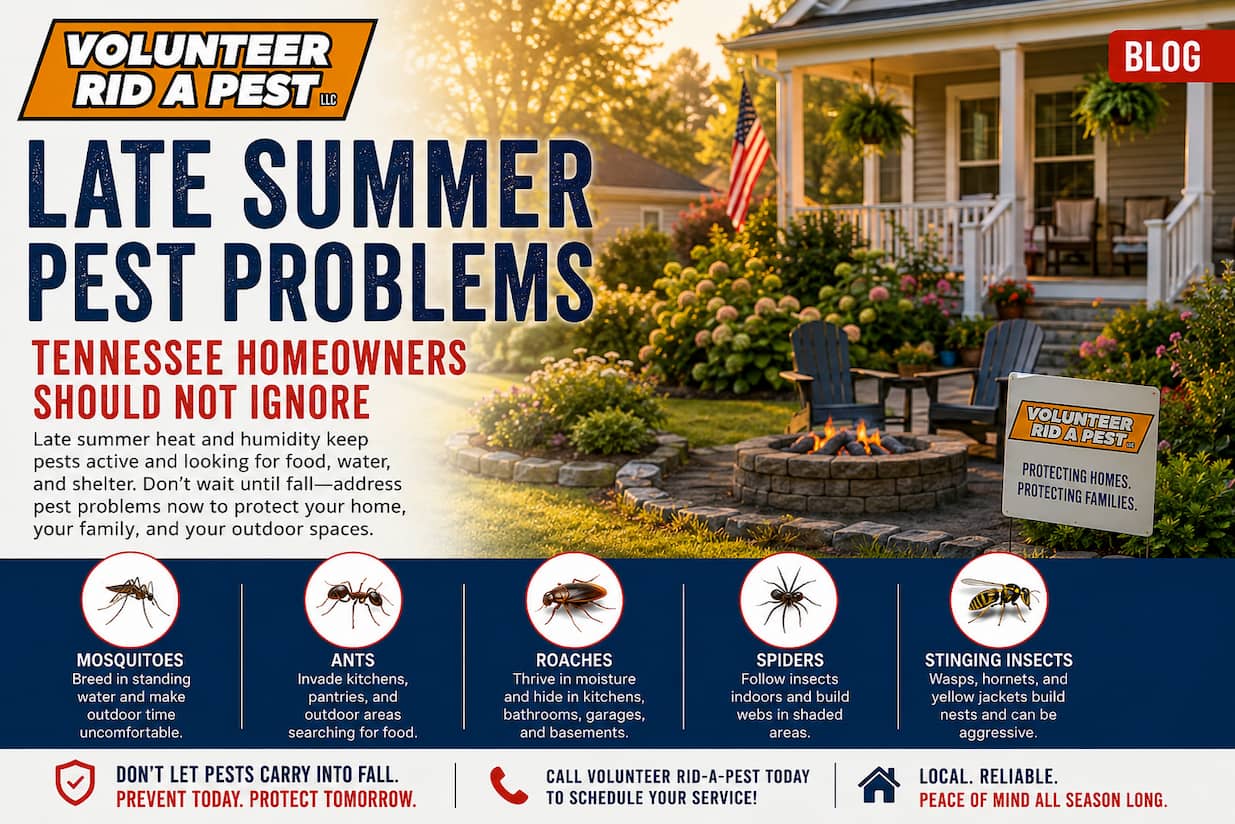
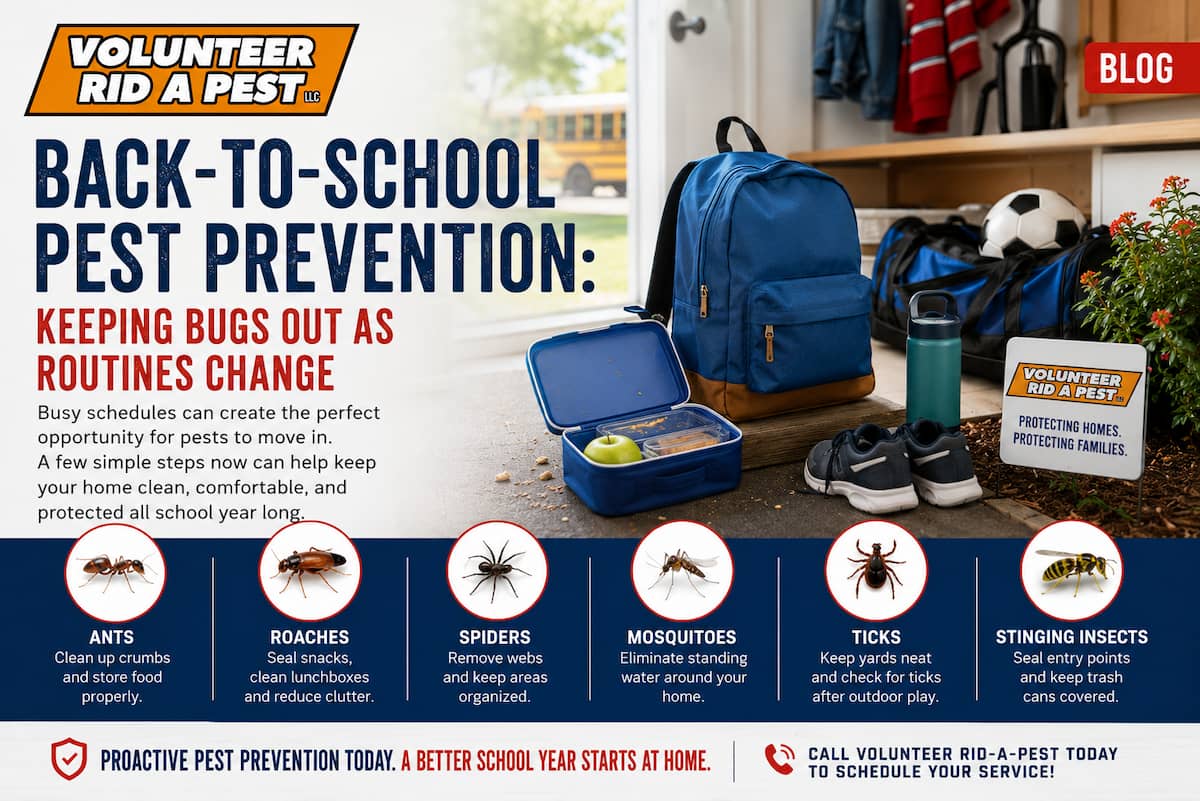
DIY pest control is often used for:
- Ants in the kitchen
- Roaches in bathrooms or cabinets
- Spiders in garages and corners
- Mosquitoes around patios
- Fleas and ticks in the yard
- Wasps around outdoor areas
- Occasional bugs near doors and windows
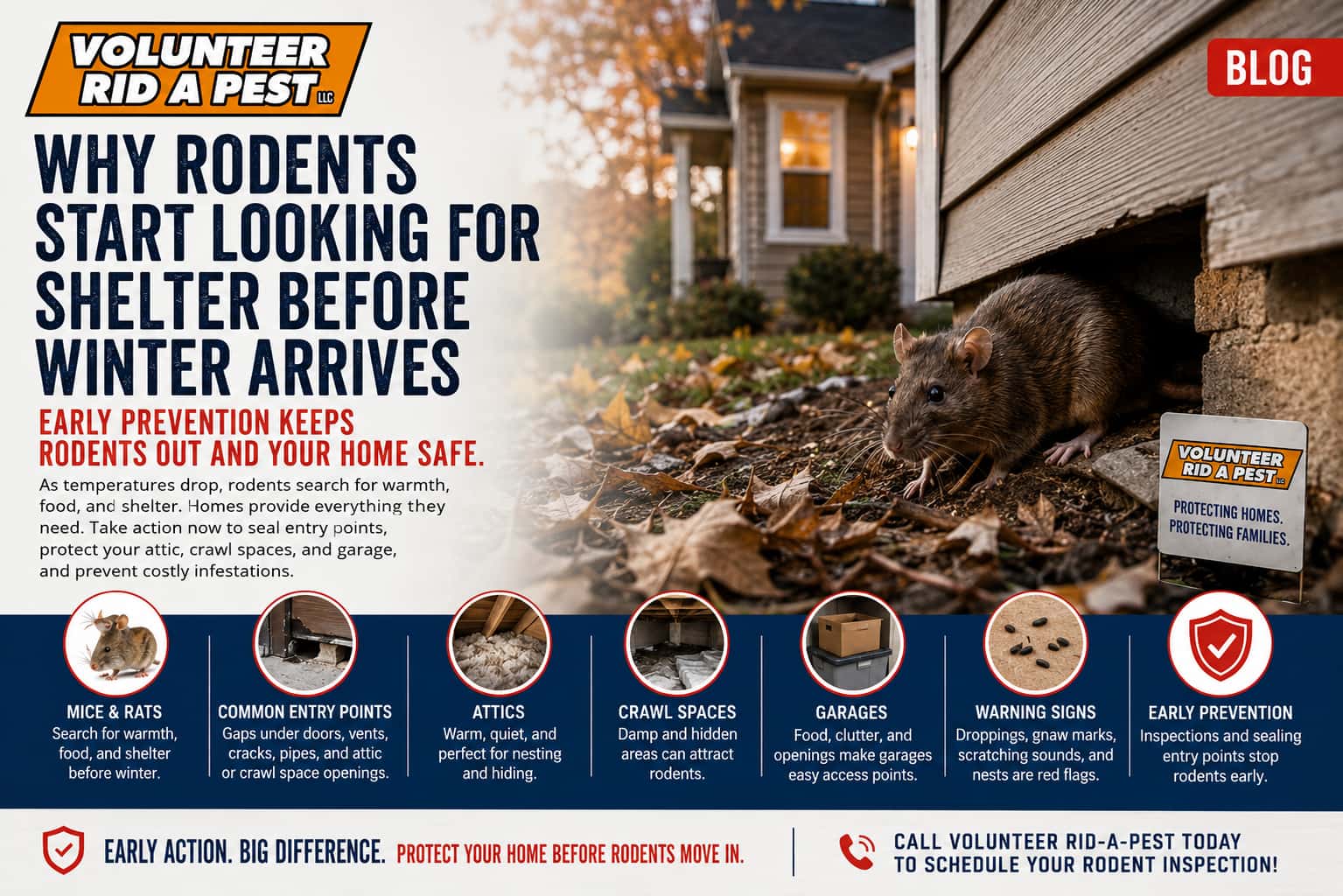
In some cases, DIY products may temporarily help reduce a small issue. However, when pests are nesting, breeding, entering through hidden gaps, or living in hard-to-reach areas, store-bought products may not be enough.
The Problem with Surface-Level Pest Control
One of the biggest limitations of DIY pest control is that it often treats only what is visible.
For example, if you spray ants on the counter, you may kill the ants you see. But the colony may still be active behind a wall, under the floor, outside near the foundation, or in a nearby nesting area.
The same can happen with roaches, spiders, fleas, ticks, and other pests. Killing a few visible pests does not always solve the source of the problem.
Surface-level pest control may lead to:
- Temporary relief only
- Pests returning after a few days
- Missed nests or colonies
- Hidden activity continuing indoors
- Overuse of sprays
- Unclear results
- More frustration over time
If pests keep coming back, it usually means there is a deeper issue that needs to be identified and properly addressed.
Professional Pest Control Looks for the Source
Professional pest control is different because it starts with understanding the problem. Instead of only treating what is visible, a trained technician looks for where pests are living, entering, feeding, and breeding.
A professional inspection may include checking:
- Entry points around doors and windows
- Cracks around the foundation
- Crawl spaces
- Moisture-prone areas
- Kitchens and bathrooms
- Garages and storage areas
- Attics and basements
- Exterior walls
- Landscaping near the home
- Trash areas and food sources
- Signs of nesting or hidden activity
This matters because different pests require different solutions. Ant control is not the same as roach control. Mosquito control is not the same as termite control. Rodent prevention is not the same as spider reduction.
A professional service is designed around the pest, the property, and the conditions causing the problem.
DIY Sprays May Not Reach Hidden Pest Activity
Many pests hide in places homeowners cannot easily reach. Roaches may hide behind appliances, inside cabinets, around plumbing, and in cracks. Ants may trail from outside colonies or hidden wall voids. Spiders may gather where insects are active. Fleas and ticks may be hiding in shaded areas of the yard, pet resting spots, or under decks.
Store-bought sprays often do not reach these areas effectively.
Common hiding spots include:
- Behind walls
- Under sinks
- Around pipes
- Behind appliances
- Under decks
- In crawl spaces
- Around foundations
- Inside cracks and crevices
- In attic spaces
- Under leaf litter and yard debris
- Near pet areas
If the hidden source is not treated, pests may continue to return, no matter how many times the visible area is sprayed.
Professional Products and Treatment Methods Are More Targeted
Professional pest control companies have access to products, tools, and treatment methods that are designed for specific pest problems. More importantly, trained technicians know where and how to apply them.
This helps avoid the common DIY problem of spraying too much in the wrong places or using the wrong product for the wrong pest.
Professional treatments may include:
- Exterior perimeter treatments
- Interior treatments when needed
- Crack and crevice applications
- Baiting systems
- Monitoring stations
- Yard treatments
- Moisture and entry point recommendations
- Nest or colony-focused treatments
- Recurring service plans
The goal is not just to kill visible pests. The goal is to reduce activity, address the source, and help prevent pests from coming back.
DIY Pest Control Can Miss Prevention
Pest control is not only about treatment. Prevention is just as important.
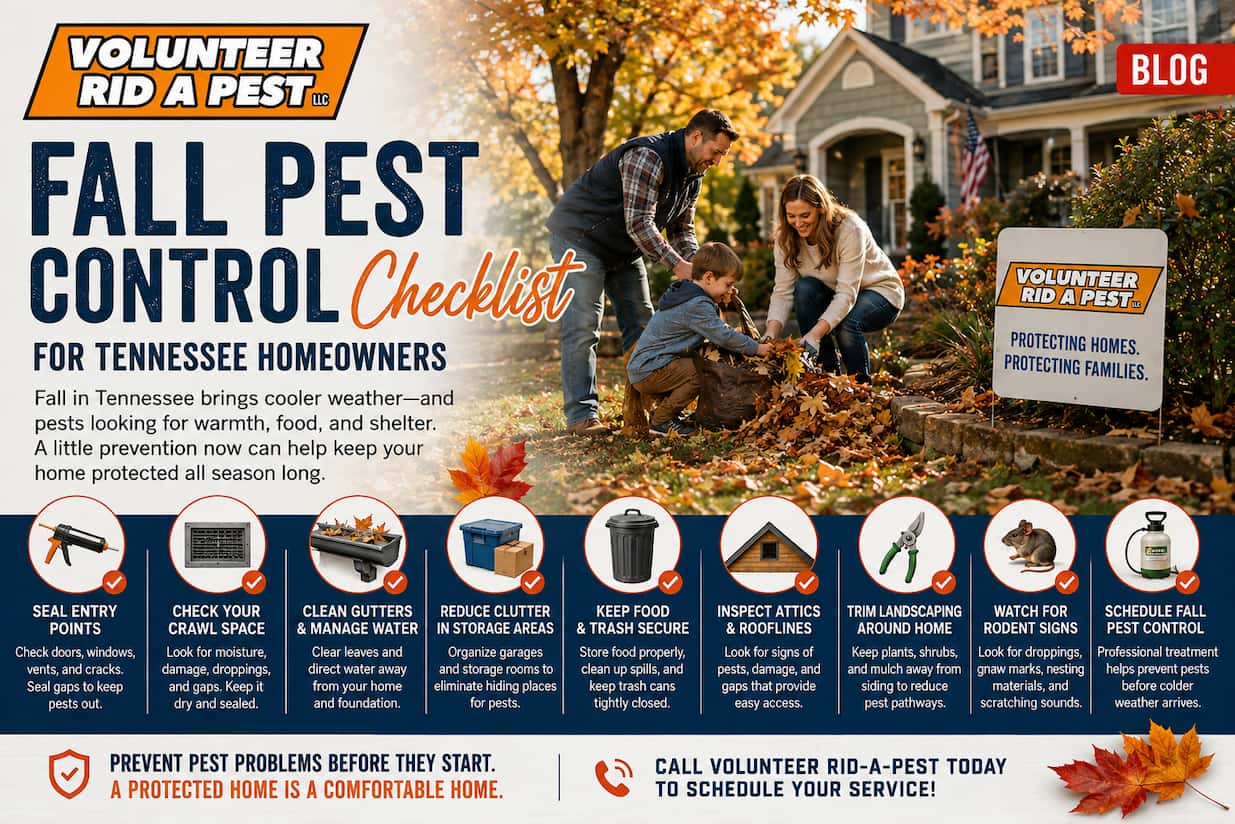
Many pests enter homes because they find food, water, shelter, or access points. If those conditions remain, pests may keep returning.
Professional pest control can help identify prevention steps such as:
- Sealing gaps around doors and windows
- Repairing damaged screens
- Reducing moisture around the home
- Fixing leaks
- Clearing yard debris
- Trimming shrubs away from the house
- Storing food properly
- Keeping trash sealed
- Improving crawl space conditions
- Removing standing water
- Reducing clutter in storage areas
These recommendations help homeowners understand why pests are showing up and what can be done to reduce future issues.
When DIY Pest Control May Not Be Enough
DIY pest control may be reasonable for very minor, occasional pest sightings. However, there are situations where professional help is the better choice.
You should consider professional pest control if:
- Pests keep coming back
- You see roaches indoors
- Ant trails continue after spraying
- You notice signs of termites
- You find rodent droppings or chewing damage
- You see fleas or ticks repeatedly
- Mosquitoes are taking over your yard
- Stinging insects have built a nest near your home
- You are unsure what pest you are dealing with
- You have children, pets, or family members who need extra care around pest products
When pests are recurring, spreading, or hiding, professional service can save time, stress, and repeated trial and error.
Why Regular Pest Control Works Better Than Waiting
Many homeowners wait until pests become obvious before calling for help. By then, the problem may already be larger than it appears.
Regular pest control helps manage pest pressure throughout the year. It allows technicians to monitor activity, treat problem areas, and adjust service based on seasonal changes.
This is especially helpful in Tennessee, where pests can remain active through different seasons.
A routine pest control plan can help protect against:
- Ants
- Roaches
- Spiders
- Fleas
- Ticks
- Mosquitoes
- Stinging insects
- Rodents
- Seasonal invaders
Instead of reacting only after pests appear, regular service helps keep your home protected before pests become a bigger problem.
The Value of Working with a Local Pest Control Company
Local experience matters. Tennessee homes face different pest pressures throughout the year, from summer mosquitoes and ticks to fall rodents and year-round roach or ant issues.
A local pest control company understands the climate, common pests, seasonal patterns, and property conditions that affect pest activity in the area.
Volunteer Rid-A-Pest has experience helping homeowners protect their homes, yards, and families from the pests common to Chattanooga, Cleveland, and surrounding Tennessee communities.
With professional service, homeowners receive more than a quick spray. They receive a plan designed around their home and the pest problems they are facing.
DIY vs. Professional Pest Control: The Main Difference
DIY pest control often focuses on what you can see.
Professional pest control focuses on the cause of the problem.
That is the biggest difference.
Store-bought products may offer temporary relief, but professional service is designed to inspect, identify, treat, and help prevent pest activity more thoroughly.
If pests keep returning, it may be time to stop treating the surface and start addressing the source.
Protect Your Home with Professional Pest Control
Your home should feel comfortable, clean, and protected. Pests can quickly take away that peace of mind, especially when they keep coming back after DIY treatments.
Volunteer Rid-A-Pest is here to help Tennessee homeowners take a smarter approach to pest control through professional inspections, targeted treatments, and ongoing protection tailored to local pest problems.
Contact Volunteer Rid-A-Pest today to schedule professional pest control service and protect your home from the source of the problem, not just the pests you can see.