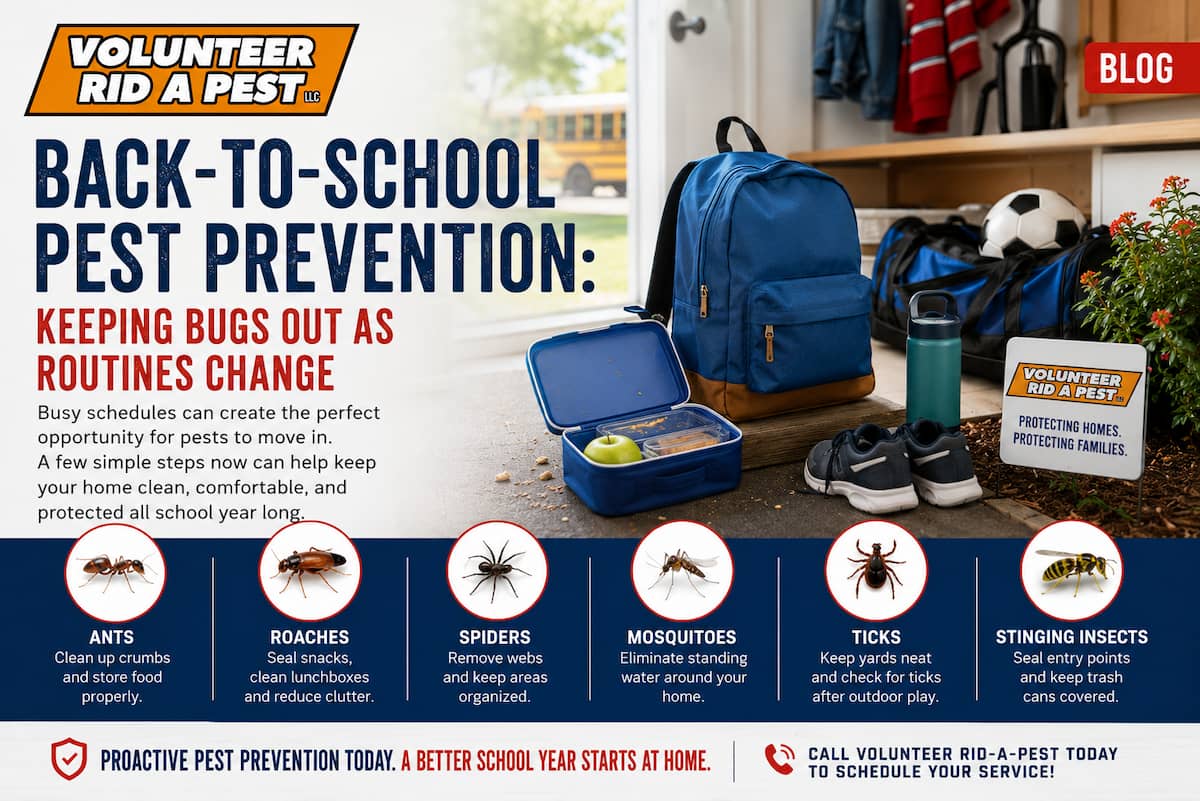
Back-to-school season can make any household feel busier. Mornings move faster, lunches are packed, backpacks come and go from the house, after-school snacks appear on counters, and schedules fill up quickly. With so much going on, pest prevention may not be the first thing on your mind.
However, changing routines can create the perfect opportunity for pests to move in.
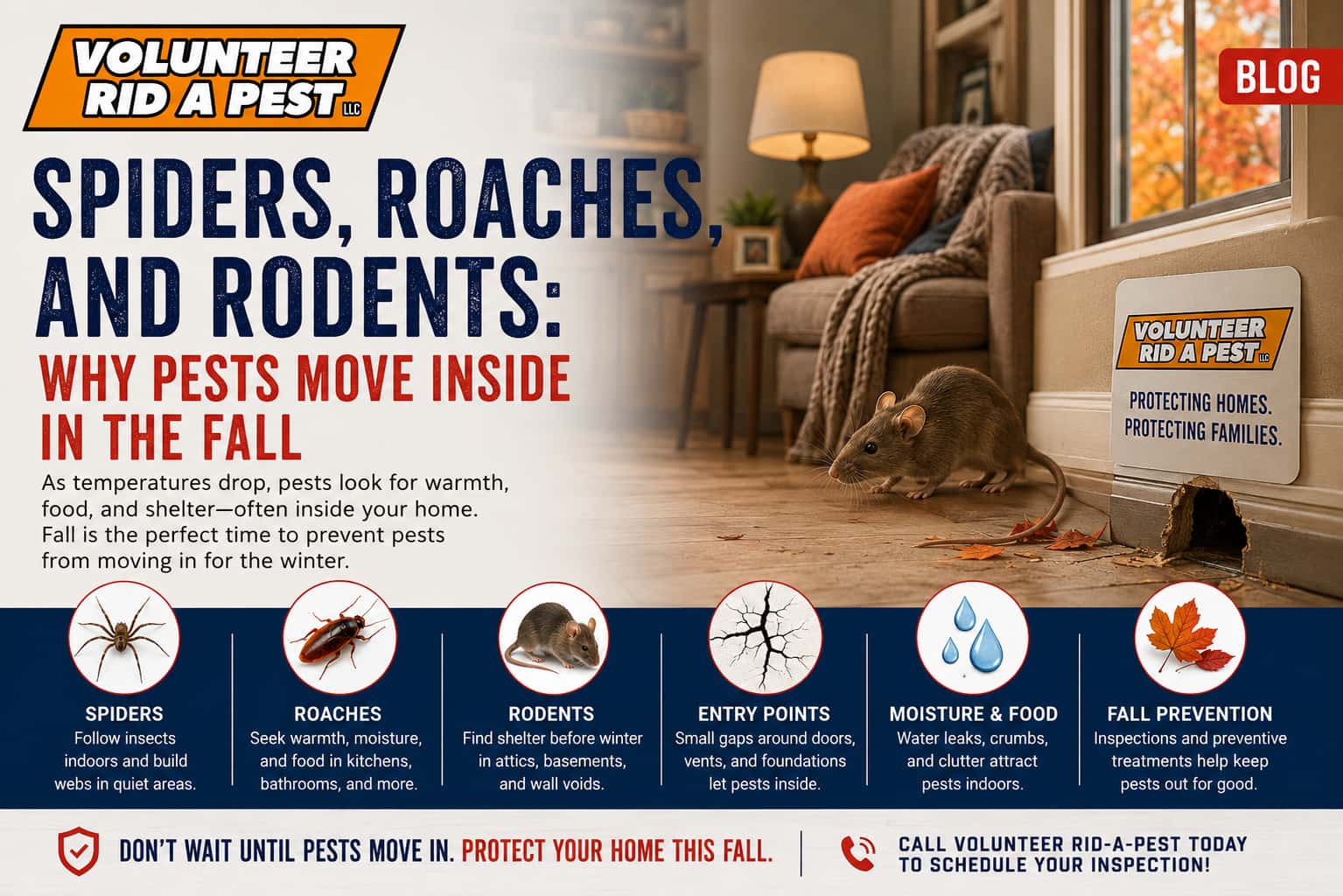
Food crumbs, clutter, backpacks, sports bags, pet food, trash, moisture, and open doors can all attract pests or give them easier access to your home. Ants, roaches, spiders, and other common pests can become more noticeable when everyday habits shift during the school year.
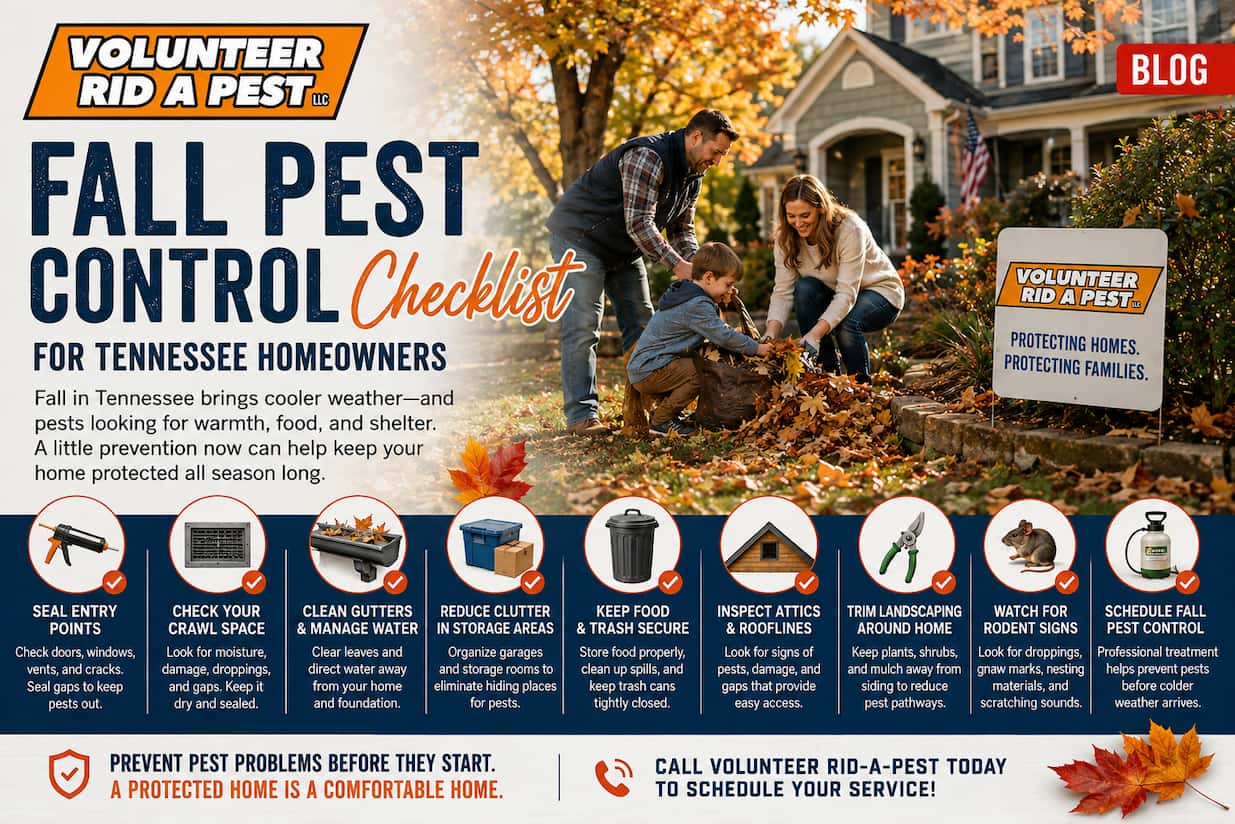
For Tennessee families, a few simple prevention steps can help keep the home cleaner, more comfortable, and better protected as routines get busy again.
Why Back-to-School Season Can Attract Pests
Pests are always looking for food, water, shelter, and access. During the school year, families often bring more food, bags, paper, boxes, and clutter into the home. Even small changes can create pest-friendly conditions.
Common back-to-school pest attractants include:
- Crumbs from after-school snacks
- Lunchboxes that are not emptied right away
- Backpacks left on floors
- Sports bags and gym clothes
- Food wrappers in bedrooms or cars
- Pet food left out overnight
- Trash cans that fill up quickly
- Cluttered mudrooms, garages, and entryways
- Open doors during busy mornings
- Moisture around kitchens, bathrooms, and laundry rooms
These small issues can make it easier for ants, roaches, spiders, and other pests to find what they need.
Keep Lunchboxes and Backpacks Clean
Backpacks and lunchboxes travel between school, cars, buses, lockers, playgrounds, and home. They can pick up crumbs, wrappers, spilled drinks, and food residue throughout the day.
When lunchboxes are not cleaned regularly, they can attract ants, roaches, and other pests.
Helpful habits include:
- Empty lunchboxes every day.
- Wipe down lunchboxes at night.
- Remove food wrappers from backpacks.
- Check side pockets for snacks.
- Store backpacks off the kitchen floor when possible.
- Wash reusable containers regularly.
- Avoid leaving food in bags overnight.
A quick daily check can prevent pests from finding easy food sources near entryways, bedrooms, or kitchens.
Watch for Crumbs in High-Traffic Areas
Back-to-school routines often mean more snacks on the go. Kids may eat in the kitchen, living room, bedrooms, car, or near the door before practice or homework.
Crumbs and spills can quickly attract ants and roaches, especially during warm Tennessee months.
Pay close attention to:
- Kitchen counters
- Pantry floors
- Dining areas
- Living rooms
- Bedroom snack areas
- Mudrooms
- Car seats
- Backpack storage areas
Wiping surfaces, vacuuming regularly, and keeping snacks in designated spaces can help reduce pest activity.
Keep Pantries and Snacks Sealed
School snacks, cereal, granola bars, crackers, chips, and lunch supplies can attract pests when they are not stored properly. Open packages make it easier for ants, roaches, and pantry pests to find food.
To help protect your pantry:
- Store snacks in sealed containers.
- Close cereal and cracker boxes tightly.
- Check for spills on shelves.
- Rotate older food items.
- Throw away expired products.
- Keep pet food in sealed bins.
- Clean under pantry shelves and corners.
A clean, organized pantry can make a big difference in reducing pest-friendly food sources.
Reduce Clutter Around Entryways and Garages
Back-to-school season often brings more shoes, sports gear, backpacks, papers, jackets, and supplies near doors and garages. Clutter gives pests more places to hide.
Spiders, roaches, ants, and occasional invaders may find shelter in cluttered areas, especially when items sit undisturbed for long periods.
To reduce hiding spots:
- Keep shoes and bags organized.
- Avoid piling papers or boxes near doors.
- Store sports gear in bins or designated areas.
- Keep garage floors clear when possible.
- Move stored items away from walls.
- Use sealed plastic containers instead of cardboard boxes.
Cleaner entryways make it easier to spot pest activity early and reduce places where pests can hide.
Do Not Forget Moisture-Prone Areas
Moisture is one of the biggest reasons pests become active inside homes. Roaches, ants, spiders, and other pests are often drawn to damp areas around sinks, bathrooms, laundry rooms, and crawl spaces.
During busy school routines, small leaks or moisture problems may be easy to miss.
Check areas such as:
- Under kitchen sinks
- Bathroom cabinets
- Laundry rooms
- Around dishwashers
- Around refrigerators
- Near pet bowls
- Basement corners
- Crawl space entrances
Repairing leaks, drying damp areas, and keeping cabinets clean can help make your home less attractive to pests.
Keep Doors and Windows Sealed
Busy mornings often mean doors opening and closing frequently. Kids leave for school, pets go outside, and families move in and out throughout the day. These small moments can give pests easy access.
Check for:
- Damaged door sweeps
- Gaps around exterior doors
- Torn window screens
- Loose weatherstripping
- Cracks around windows
- Garage doors that do not seal tightly
Sealing these openings helps prevent pests from slipping inside as outdoor activity continues.
Watch for Spiders as Insects Increase
Spiders often become more noticeable when other insect activity is high. If insects are entering the home or gathering around lights, garages, and outdoor areas, spiders may follow.
To help reduce spider activity:
- Remove webs regularly.
- Keep clutter low.
- Turn off unnecessary outdoor lights.
- Seal cracks and gaps.
- Keep garage areas organized.
- Schedule routine pest control to reduce insect activity.
Reducing the pests spiders feed on is one of the best ways to reduce spiders around the home.
Why Professional Pest Control Helps Busy Families
When school schedules get hectic, it can be difficult to stay on top of every pest prevention detail. Professional pest control helps create a stronger layer of protection by identifying problem areas, treating pest activity, and helping prevent future issues.
Volunteer Rid-A-Pest offers service plans designed to protect homes and businesses from common pests, including residential pest control, common pest treatments, mosquito control, moisture control, termite service plans, and other prevention-focused solutions. The company’s service plans are designed around regular treatment and long-term protection rather than reacting only after problems arise.
A professional pest control plan can help with:
- Ant control
- Roach control
- Spider control
- General pest prevention
- Exterior treatments
- Interior treatments when needed
- Entry point recommendations
- Seasonal pest protection
For busy families, regular service can provide peace of mind while helping keep pest problems from becoming another item on the to-do list.
Back-to-School Pest Prevention Starts at Home
As routines change, pest prevention should be part of the back-to-school reset. Keeping food sealed, cleaning lunchboxes, reducing clutter, managing moisture, and sealing entry points can help protect your home during a busy season.
Volunteer Rid-A-Pest helps Tennessee homeowners stay ahead of seasonal pest problems with dependable pest control services designed for local homes and families.
Contact Volunteer Rid-A-Pest today to schedule pest control service and keep bugs out as your back-to-school routine begins.