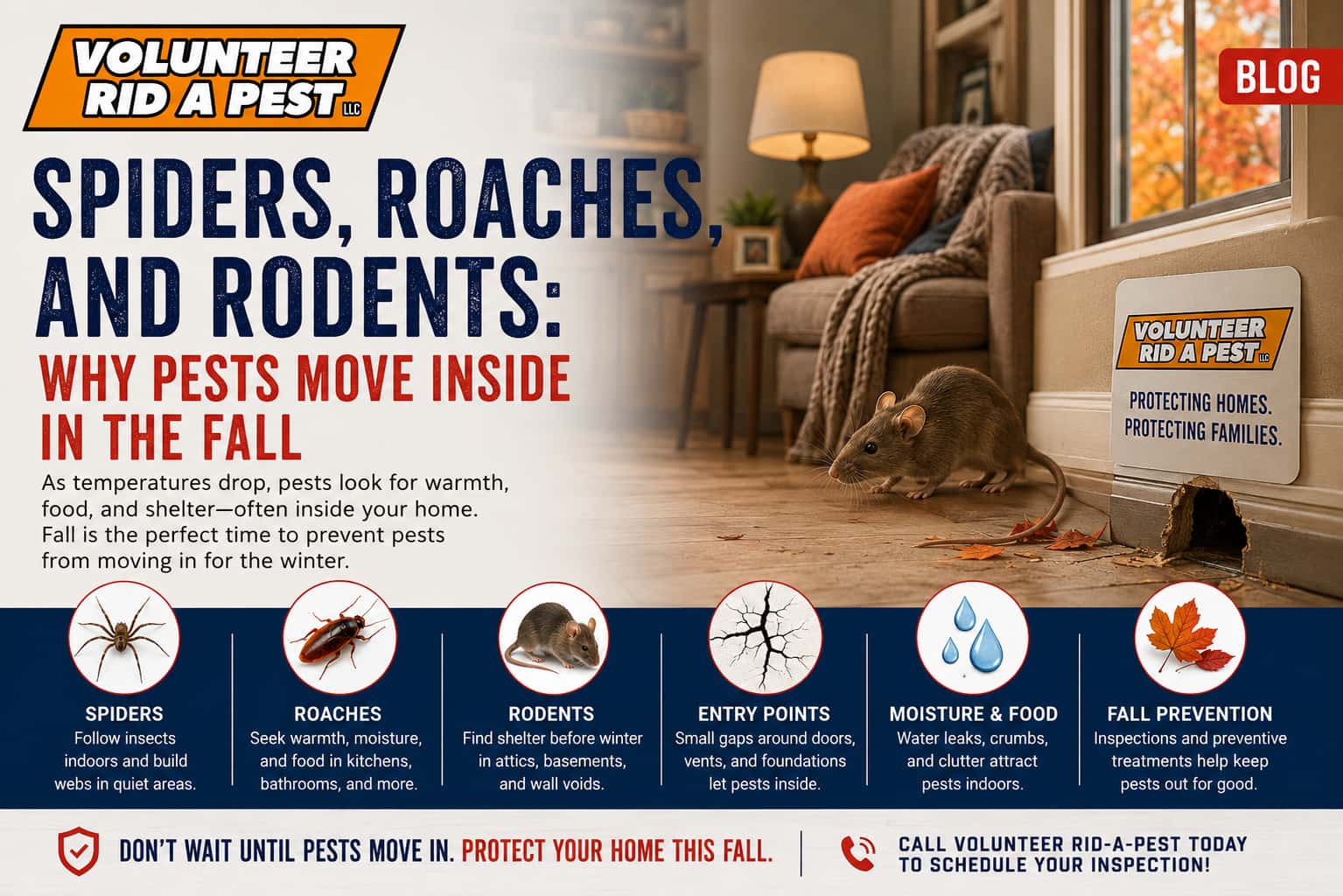
As winter fades and temperatures begin to rise, many homeowners start thinking about spring cleaning, yard work, and home maintenance. What often gets overlooked is pest activity.
Spring is one of the most important times of year for pest prevention. As the weather warms up, many pests become more active and begin searching for food, water, and places to nest. Ants start trailing indoors, spiders become more noticeable, roaches look for moisture, termites begin swarming, and mosquitoes prepare to breed.
By the time you start seeing pests regularly, the problem may already be growing.
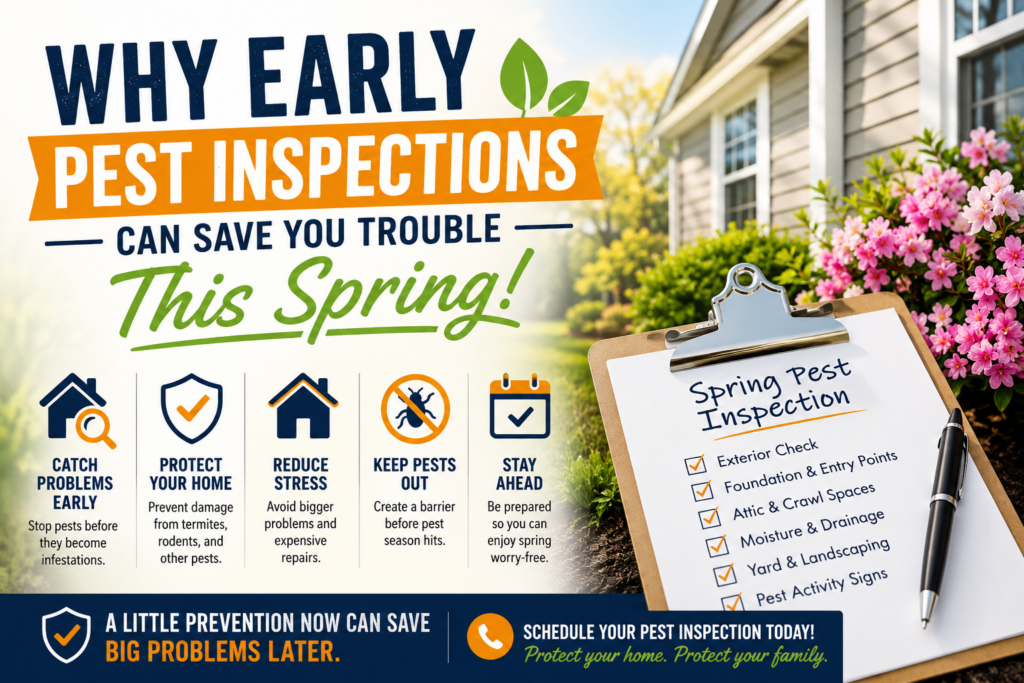
That is why early pest inspections matter. A proactive inspection in the spring can help identify signs of activity, locate conditions that attract pests, and give homeowners a chance to address problems before they turn into larger infestations.
Why Spring Pest Activity Increases
Spring creates the ideal conditions for many pests. Warmer temperatures, rain, increased moisture, and new plant growth all contribute to higher pest activity around homes.
Common reasons pests become more active in spring include:
- Rising temperatures
- Increased humidity and rainfall
- Standing water after storms
- Blooming plants and landscaping
- More available food sources
- Damp crawl spaces and foundation areas
- Easy access through small cracks and gaps
As pests wake up or become more active after winter, they start moving through yards, foundations, crawl spaces, garages, and entry points around the home.
Why Waiting Until You See Pests Can Be a Problem
Many homeowners wait until they see ants in the kitchen, spiders in the corners, termites swarming, or mosquitoes outside before taking action. The problem with that approach is that visible pests are often only part of the issue.
For example:
- Ants you see indoors may be coming from a larger colony outside or inside a wall.
- Roaches may already be hiding in moisture-prone areas before you notice one.
- Termites can cause damage quietly before obvious signs appear.
- Mosquitoes may already be breeding in standing water around the property.
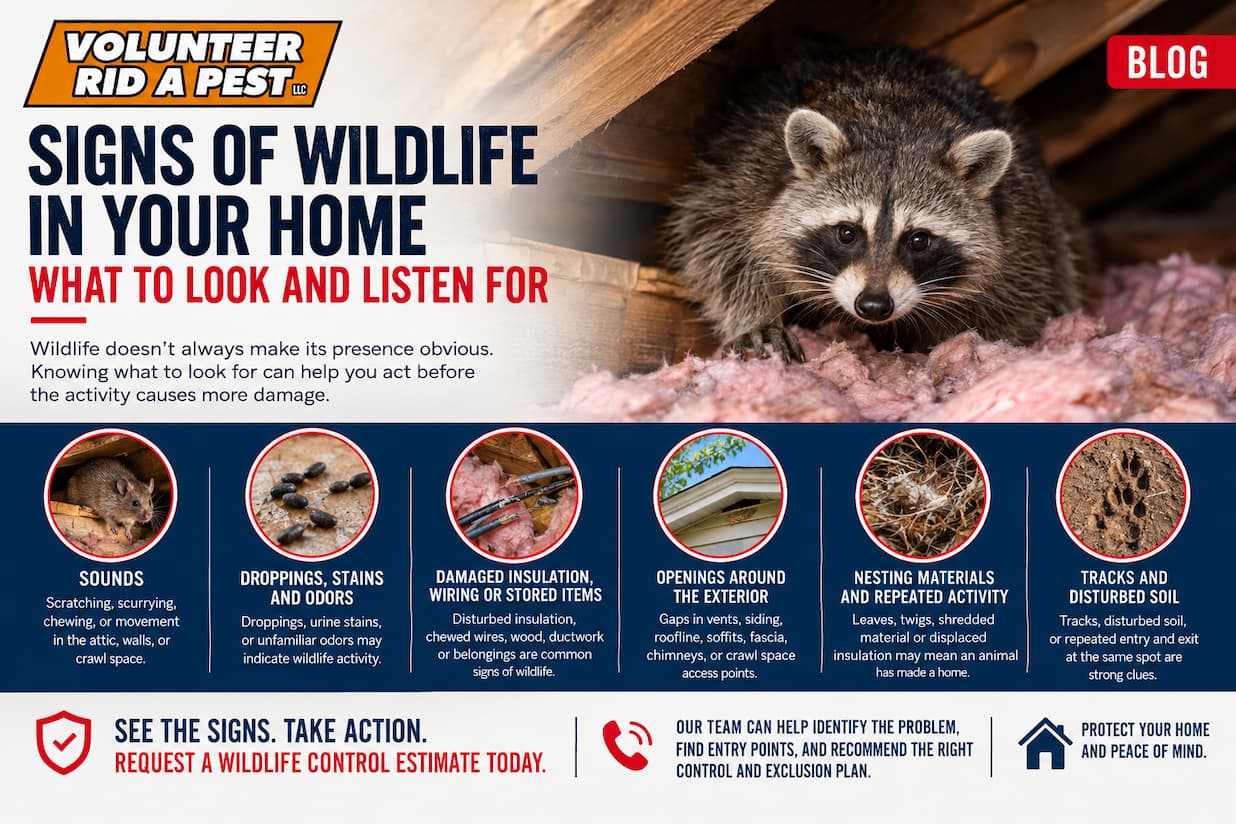
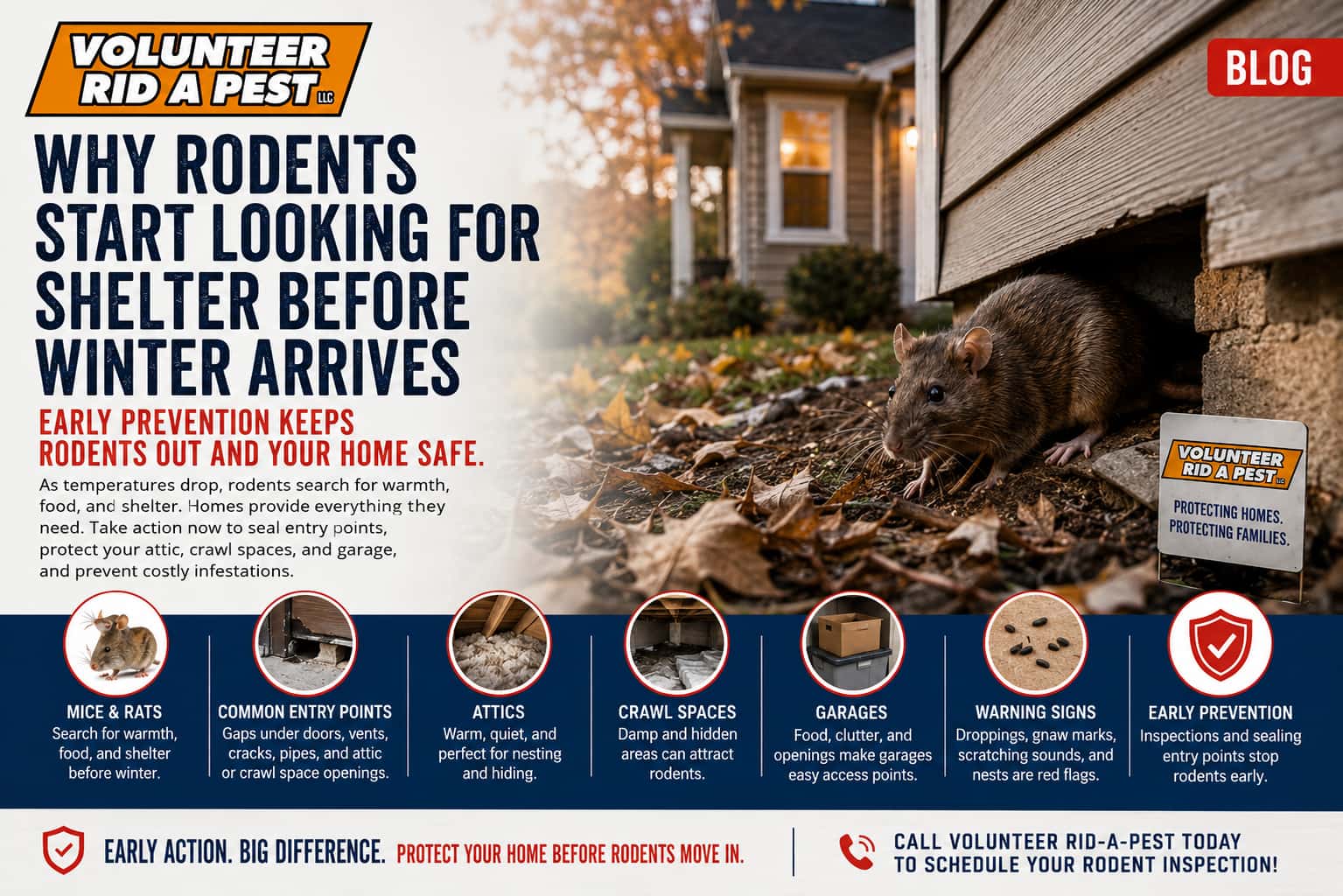
- Rodents may be nesting in attics or crawl spaces without being seen.
An early inspection helps catch these issues before they become harder and more expensive to manage.
What an Early Pest Inspection Can Help Identify
A spring pest inspection is about more than just looking for bugs. It helps identify pest activity, risk factors, and property conditions that may attract pests.
An inspection may reveal:
- Early signs of ant activity
- Spider webs or insect buildup
- Moisture issues that attract roaches or termites
- Mud tubes or termite warning signs
- Gaps around doors, windows, or foundations
- Rodent entry points
- Standing water that supports mosquitoes
- Overgrown landscaping touching the house
- Crawl space or attic concerns
- Food or moisture sources that pests may be using
This type of inspection gives homeowners a better understanding of what is happening around the property before pest season peaks.
Common Spring Pests Homeowners Should Watch For
Spring can bring a wide range of pest problems in Tennessee. An early inspection helps homeowners stay ahead of the pests most likely to become active this time of year.
Ants
Ants are one of the first pests many homeowners notice in spring. As colonies become more active, ants begin searching for food and water. They may show up in kitchens, bathrooms, windowsills, and along baseboards.
An inspection can help identify where ants may be entering and whether outdoor colonies are close to the home.
Termites
Spring is an important time for termite awareness. Swarmers may appear as colonies begin reproducing, and hidden termite activity may already be present in crawl spaces, foundation areas, or damp wood.
An early inspection can help identify mud tubes, moisture issues, and conditions that increase the likelihood of termite activity.
Roaches
Roaches are drawn to moisture, warmth, and food. Spring conditions can increase roach activity, especially in kitchens, bathrooms, basements, laundry rooms, and crawl spaces.
An inspection can help identify moisture sources and hidden areas where roaches may be active.
Spiders
Spiders often become more noticeable in the spring because insect activity increases. Garages, basements, attics, crawl spaces, sheds, and corners of the home may all become spider-prone areas.
An inspection can help reduce the insects that attract spiders in the first place.
Mosquitoes
Mosquito season often begins with spring rain and rising temperatures. Standing water in birdbaths, gutters, buckets, toys, flowerpots, and low spots in the yard can quickly support mosquito breeding.
An early inspection can help identify water-holding areas before mosquito populations increase.
Rodents
Even though rodents are often associated with colder months, spring is still a good time to inspect for leftover activity, nesting materials, entry points, or damage in attics, garages, and crawl spaces.
Early detection can help prevent recurring rodent problems.
How Early Inspections Help Prevent Bigger Problems
The biggest benefit of an early pest inspection is prevention. It gives homeowners a chance to correct issues before pests become well-established.
Early inspections can help:
- Reduce the risk of infestations
- Catch signs of activity sooner
- Identify hidden pest-prone areas
- Improve protection before peak pest season
- Reduce damage caused by termites or rodents
- Prevent pests from moving indoors
- Support a more effective pest control plan
It is always easier to address a small problem early than to wait until pest activity spreads throughout the home or yard.
Conditions Around the Home That May Attract Pests
A spring inspection can also help spot the conditions pests need to survive. Many pest issues begin because the home or yard provides food, water, shelter, or access.
Common pest-friendly conditions include:
- Standing water
- Leaky outdoor faucets
- Damp crawl spaces
- Clogged gutters
- Overgrown shrubs
- Mulch piled too close to the foundation
- Firewood stored near the home
- Cracks around windows and doors
- Gaps around utility lines
- Clutter in garages or basements
- Food crumbs or open trash areas
Fixing these issues early can help make the property less inviting to pests as the season progresses.
What Homeowners Can Do Before an Inspection
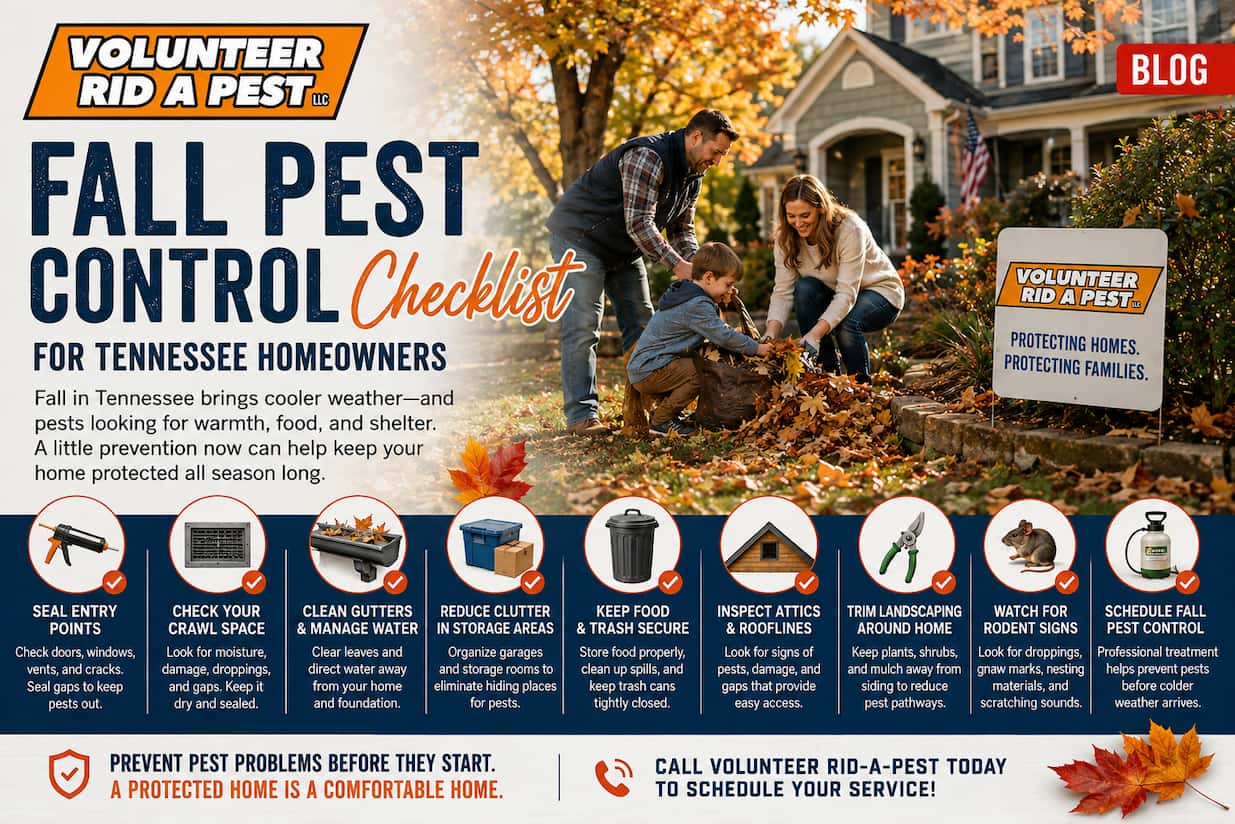
There are a few simple steps homeowners can take to support pest prevention before a professional inspection.
Helpful spring pest prevention steps include:
- Clean gutters and downspouts
- Remove standing water around the yard
- Repair leaks and drainage issues
- Seal cracks and gaps around the home
- Trim shrubs and branches away from the structure
- Store food in sealed containers
- Keep trash cans tightly closed
- Reduce clutter in storage areas
- Check screens and weatherstripping
- Keep mulch and firewood away from the foundation
These steps help reduce common pest attractants, but a professional inspection can identify issues that are easier to miss.
Why Professional Pest Inspections Matter
A professional pest inspection gives homeowners a more complete view of what is happening on the property. Instead of only reacting to visible pests, professional service focuses on identifying activity, conditions, and entry points early.
Professional inspections can help with:
- Identifying the types of pests most likely to be active
- Checking the home for warning signs
- Locating hidden problem areas
- Recommending treatments or prevention steps
- Creating a pest control plan for the season
- Helping protect the home year-round
At Volunteer Rid-A-Pest, we understand how quickly pest activity can increase in the spring. Our team helps Tennessee homeowners stay ahead of seasonal pest pressure with inspections and treatments designed for local homes and local conditions.
A Little Prevention Now Can Save You Trouble Later
Spring pest season can build quickly. What starts as a few ants, a little moisture, or a small problem area can become a larger issue if left unchecked.
An early pest inspection gives you the chance to get ahead of the season, protect your home, and reduce the stress of dealing with pests later.
Volunteer Rid-A-Pest is here to help homeowners take a proactive approach to spring pest control with professional inspections and reliable service.
Contact Volunteer Rid-A-Pest today to schedule your spring pest inspection and stay ahead of seasonal pest problems before they start.